Energy workshops
Earlier I talked a lot about energy efficiency, the majority focused on the
production and distribution of energy in the company. Likewise, in the
energy program, the three tools mentioned were located in that field. Now let's talk more about
the efficiency in the use of energy, about its
demand. Let's talk about the
energy workshops.
We will talk, therefore, about the end users. Their behavior with the energy is fundamental and we should educate them on rational consumption.
One of the communication tools that can be used are the
training workshops. They allow the
flow of information in both directions and are
continuously enriched.
When designing the workshop, it has to be
adapted to the audience. If they have a poor knowledge of energy is not the same as if they know the production process, for example. So I will distinguish between two types:
- General workshops.
- Specific workshops.

energy workshops
General workshops.
In this case we will have to start with
general concepts on the energy or energies at the company.
How they are generated, transformed and distributed internally. We can explain how heat is generated for heating or chilled water for cooling. Or analyze
what is the efficiency of the previous processes. Besides, we will distinguish between finite (fossil) and renewable (wind, photo-voltaic, etc.) energies. How the firsts are worse for the environment by consuming
finite resources while renewable are endless. We will illustrate the
impact of energy on the environment and the generation of CO2. What are the emission factors of each of them. We have to clarify the relationship between
energy, economy and environment.
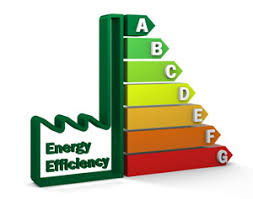
energy efficiency
Within the scope of the company we will explain how we consume the different energies (
consumption patterns, etc). What is the current
control, the current
parameters. For example, how the temperature relates to the heating system and what energy it demands.
We have to use
simple language and translate the information into visual examples. Convert consumption units, for example, to
variables that are more familiar (household consumption, etc). Some data can be:
- Average consumption and annual emissions of a household of a family.
- Consumption of gasoline and average emissions of a car over a year.
- Average annual cost of a household's energy.
- Annual consumption data of the company and its cost.
- Carbon footprint of the company.
- Types of energies used.
- Consumption of computer equipment.
We will talk about the
quality of the work environment:
temperature, CO2 content, ventilation, etc. What is the
comfort zone according to the work station and the station. It is good to provide
real data collected in the company and compare them with the comfort zone.
Once the sample information has been provided, we can ask the users for their experience. We will
ask for savings ideas or energy related issues.
It is time to know the feedback and the concerns of the participants. As a consequence of this part we can program
saving actions.
Inform and follow up on them. Use real measurements and conversions with understandable indirect parameters. The ultimate goal is to
raise awareness among end users and
modify their habits to make them more efficient.
energy saving
Specific workshops
In this case
the audience has general knowledge on energy and even
technical insight in other areas. We will use part of the information discussed in the general workshop as an introduction. And we will extend the
data of the company and we will talk about
absolute and specific indicators of energy. The
efficiency curves of the equipment, the efficiency and inefficiency zones.
We can dedicate
individual blocks or training for the following topics:
- Compressed air.
- Centrifugal pumps.
- Heating.
- Lighting.
- Maintenance regarding extra consumption.
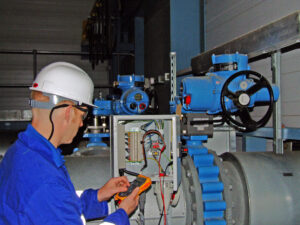
energy audit workshop
In some cases the
practical knowledge can be added to the theoretical learning.
Visit the factory and see what the consumer equipment is.
Distribute the audience in groups and give them leadership.
Check for
leaks, inadequate
insulation, if the
parameters and
operating time are correct, etc. If
maintenance is adequate or causes excessive utilization (
clogged filters, poor lubrication, vibration on motors). We can use
portable measuring devices and detect anomalous sounds (air leaks, vibration of motors, etc.). With a thermal imaging camera we can ensure that the electrical panels or the motors have no defects. We can review the position of the manual valves and check the
operating point and compare it with the
efficiency curve. Check the pressure along a circuit for leaks and pressure drop.
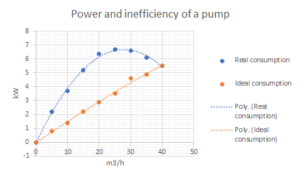
Efficiency curve
It is convenient to
collect the opinions and suggestions of the participants to discuss them and develop them as a group. An exercise of estimation and filtering of projects can be carried out, as I explained in the post the
process of the energy projects.
If the
ideas provided in the practical part are interesting, they can be added to the
list of savings projects and follow up. It is good to teach
how to calculate energy savings. When the saving is due to shorter working time (less lighting time, pumping time, etc.) or when we reduce the parameters (pressure level, lighting intensity, etc.)
We can make a
final survey to verify that the concepts have been understood or the participants have questions or concerns in areas that we have not covered. If so, we can prepare another course in the future with the pending issues.
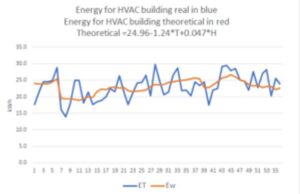
Energy indicators
We will help ourselves with
energy indicators and explain other
savings projects that arouse similar ideas.
If the audience has a high technical level, we can explain
how savings projects should be measured accurately and correctly, according to the article:
how to measure savings projects. We can also delve into the concept of appropriate design of equipment and systems, post (
fine tuning or redesign).
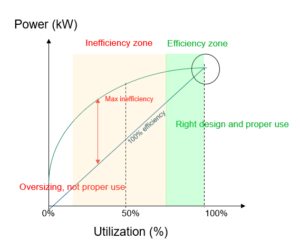
Efficient zones
With the contributions of the participants we will improve the material used for the preparation of the next energy workshops.